Scroll through admissions advice on Instagram and TikTok and robotics comes up again and again. We went to the people families listen to, and to the admissions offices themselves, and asked one question: does FIRST® robotics help a student stand out? The answer is yes, with one condition.
Admissions offices know FIRST®
MIT admissions estimates that 15 to 20 percent of its undergraduates did FIRST®. At Worcester Polytechnic Institute, 218 of 1,365 first-year students had taken part, and the university added a question about competitive robotics to its Common App section in 2022. "We like to see evidence of project-based learning, working in teams," says Jennifer Cluett, WPI's dean of admissions.
Jonathan Hoster, associate admissions director at Syracuse's College of Engineering, saw his first tournament in 2014: "It was like Texas high school football." Two years later Syracuse set aside ten scholarships for FIRST® students. Caltech names the FIRST® Robotics Competition among the competitions that show a student is ready for science and engineering.
The condition: what you did on the team
Being on the team is not the point. Chris Peterson, a longtime MIT admissions officer and FIRST® mentor, put it plainly: "Having it 'on' the college app isn't worth much." What MIT cares about is what the student does with it.
Thomas Caleel, a former director of MBA admissions at Wharton who runs @admittedlyco, makes the same point with two students on one robotics team. One attends meetings and finishes assigned tasks. The other owns a subsystem, solves problems under pressure, mentors newer members and documents the work. "The activity name is identical, but the evidence of engagement is different."
Sara Harberson, a former associate dean of admissions at the University of Pennsylvania, adds a warning: an activities list that is robotics and nothing else reads as "a one-note application". Depth in robotics works best next to a real life outside it.
What makes it stand out
- A role you own. A subsystem, the code, the outreach programme. Something with your name on it.
- Years, not a season. Georgia Tech's admissions blog names "a third year in robotics" as a choice worth making. In its words: "If you love it, you naturally become more competitive."
- Work you can show. An engineering portfolio judged by experts, design decisions and testing on record.
- Someone who saw you do it. Peterson asks mentors to write letters with the student's specific role and real examples.
- Results beyond your city. Awards and rankings at international events.

Applying through UCAS or the University of California?
The same rule holds. Oxford's Engineering Science department tells applicants they could write about a hobby, "maybe you've built a robot", as long as they say what they enjoy about it and which engineering principles they learned. A season of FIRST® Tech Challenge gives a student exactly that: a hard problem, a team, a result, and something real to reflect on.
How we do it
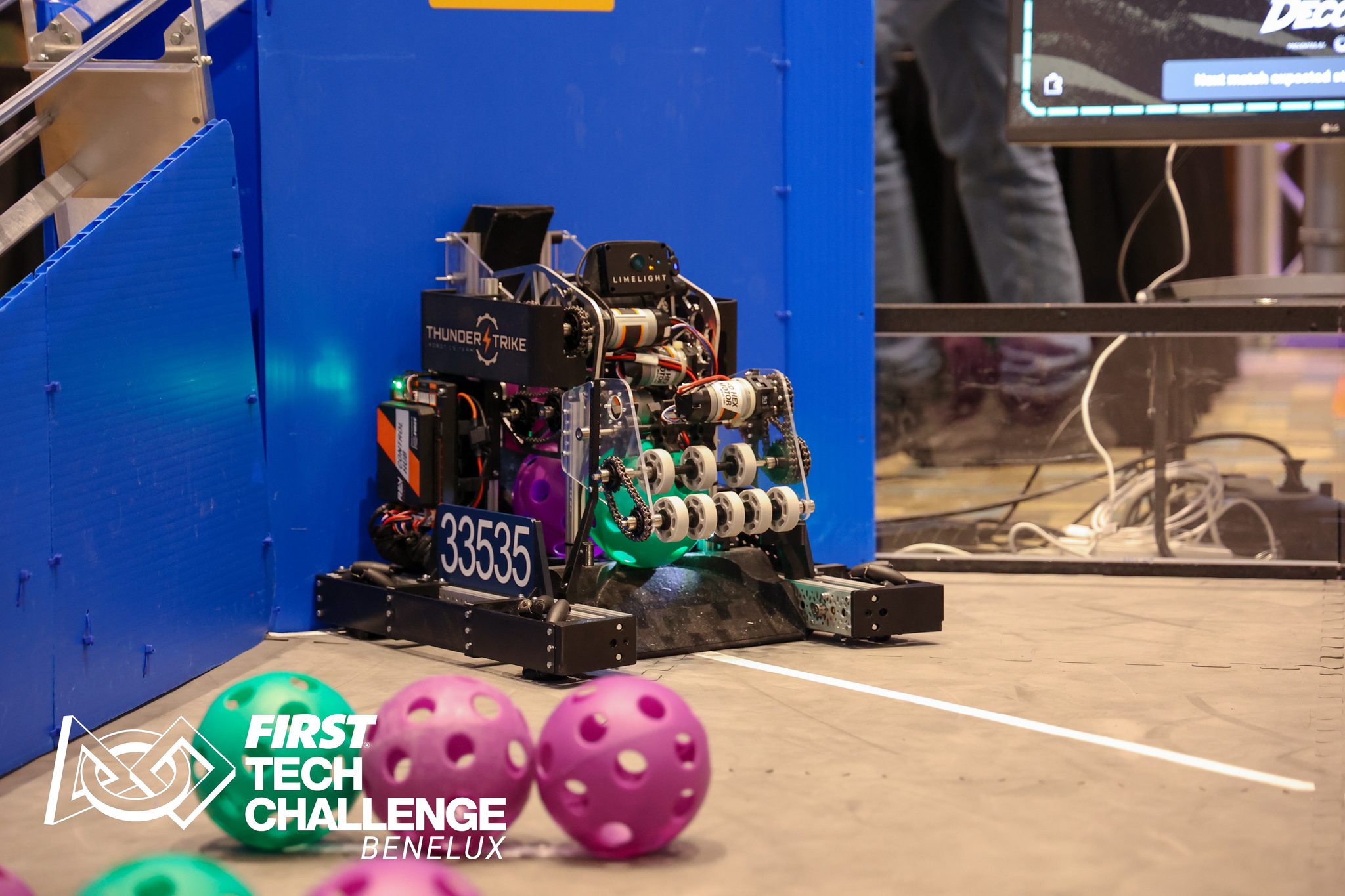
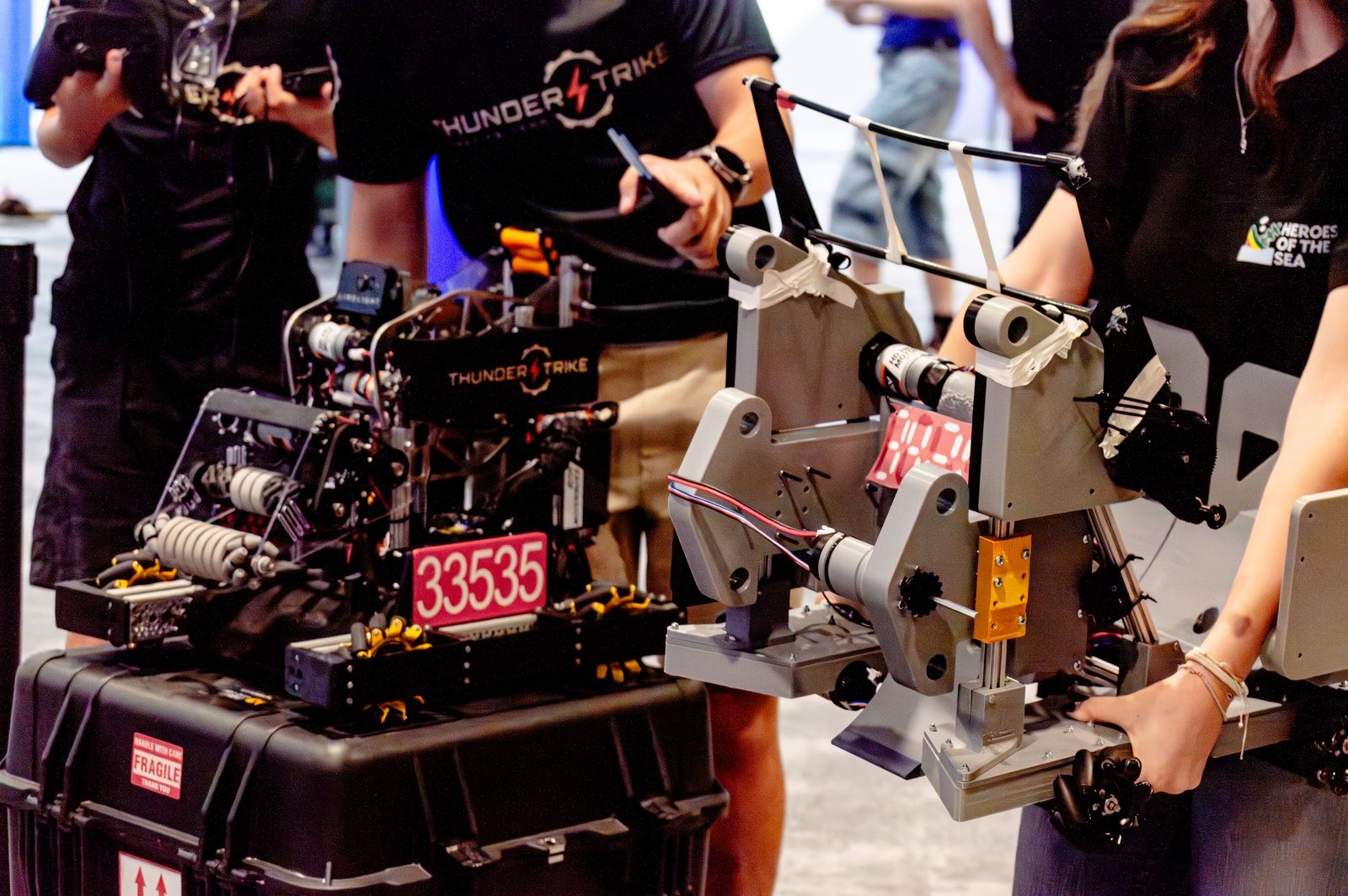
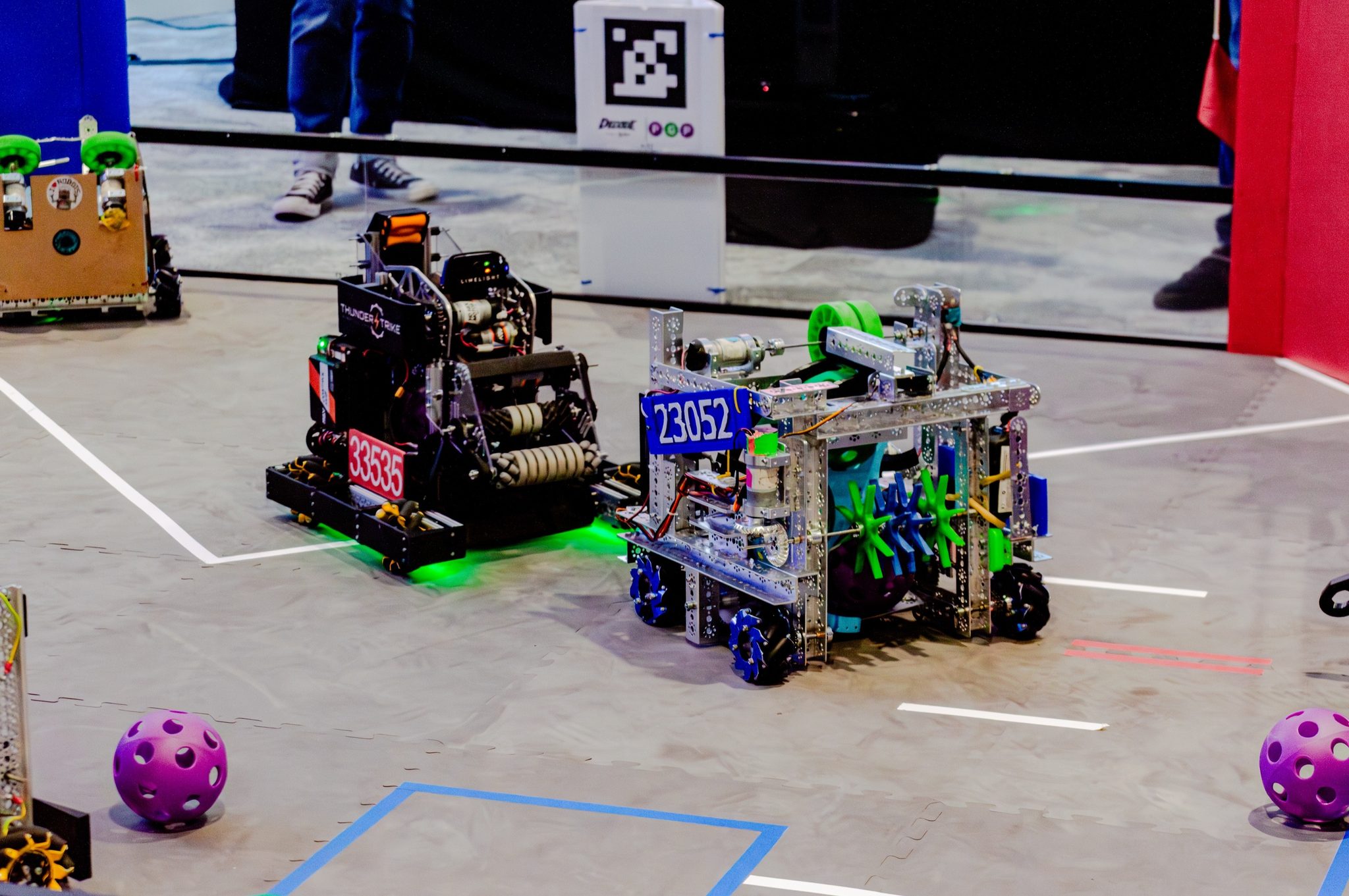
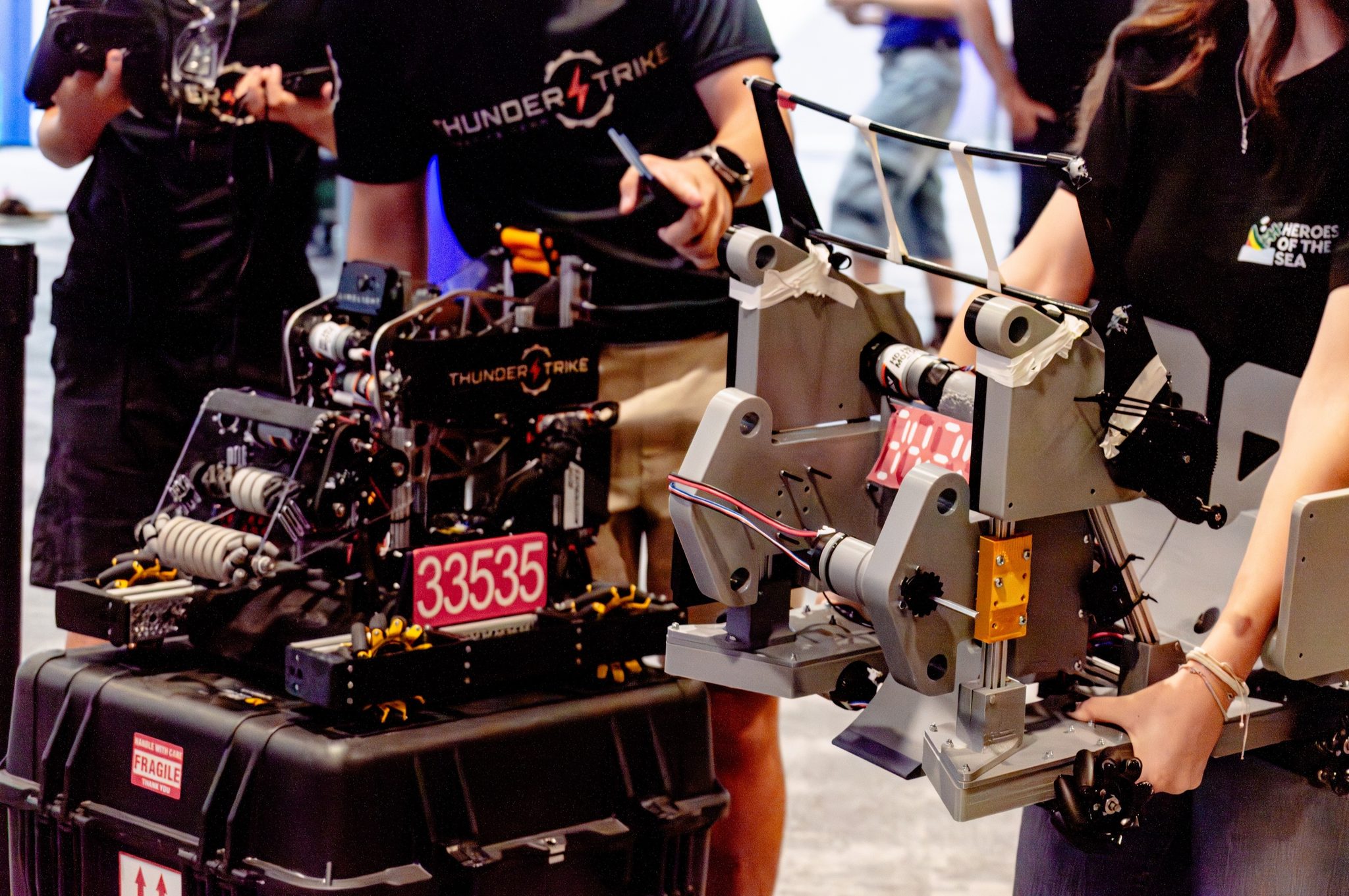
Thunderstrike is a high-performance FIRST® Tech Challenge team in Oeiras, Portugal's first. Members commit for the whole season, at least 8 hours every week. They own their part of the robot, build an engineering portfolio judged by experts, and compete across Europe:
- 1st place, FTC Benelux Qualifier #5 (31 January 2026), with a Design Award.
- 6th place at the FTC Benelux Championship (7 February 2026), with the Design Award 1st place.
- Advancement to the European Premier Event (June 2026).
Students aged 14 to 17 who have already built something real: code, games, electronics, a machine. No FTC or FIRST® experience needed. If that is your teenager, join Team Thunderstrike.